
Frequently Asked Questions
-
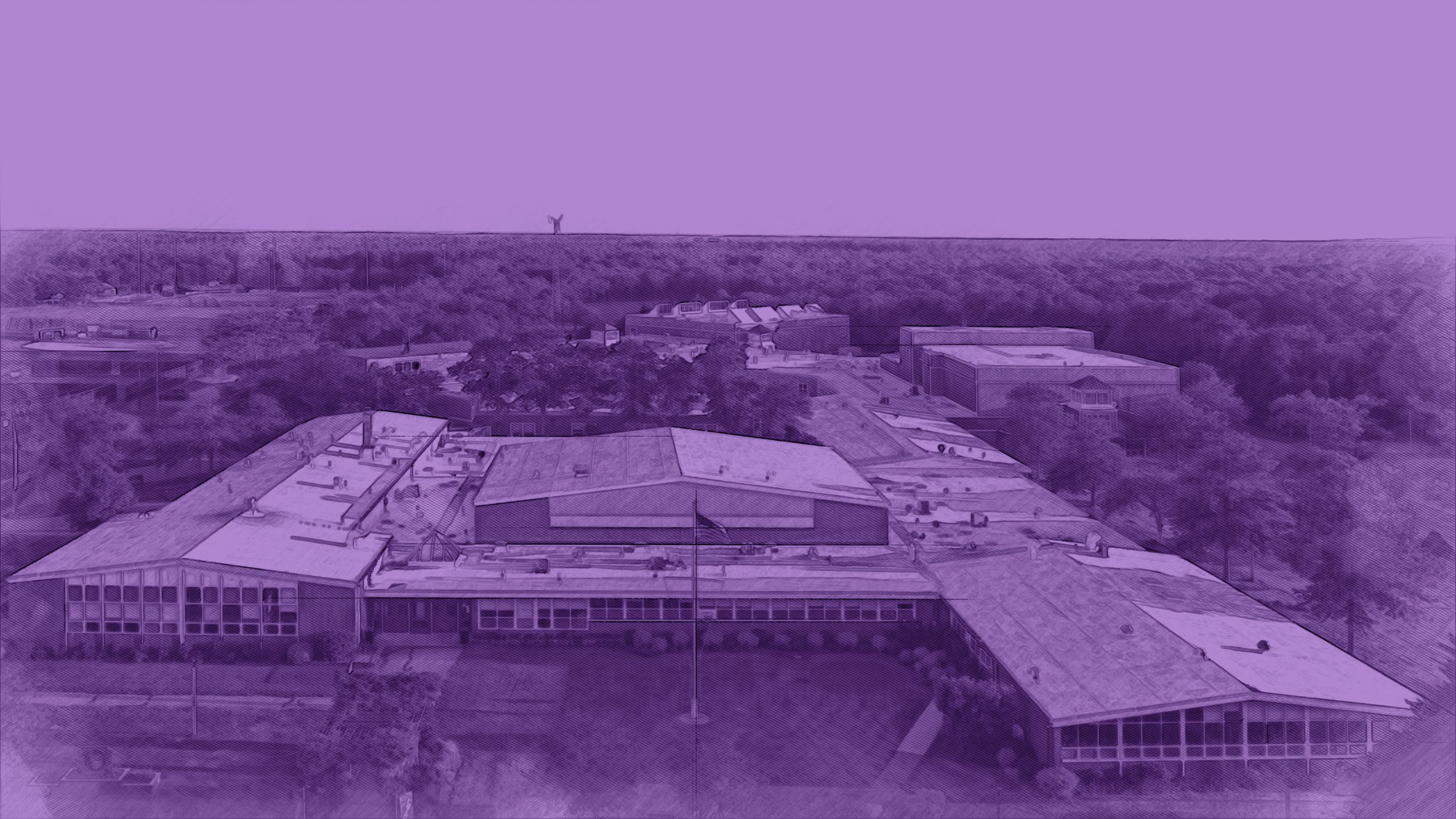
The Project is an all-island collaboration to modernize and expand the existing high school building to meet educational, safety, and infrastructural needs. An in-depth study of the existing school, educational program and space needs resulted in different options studied over the last several years since the Project has been accepted into the Massachusetts School Building Authority (MSBA) program in 2023. Through a 20 plus person MVRHS School Building Committee (SBC), formed with representatives from all six towns on the Island and with help from an Owner’s Project Manager (OPM) and architect, options ranging from a code upgrade to the existing school, addition-renovation or an entirely new school were explored. Over 20 different options were investigated. In June of 2025 the SBC selected an Addition - Renovation option (AR1). Following the selection of AR1, the Project Team developed the project further through Schematic Design. The Project has been approved by the MSBA and has entered into a funding agreement that promises $71 million in funding from the MSBA.
-
The District submitted a Statement of Interest (SOI) in 2019 describing the physical conditions of the school and how the educational program is affected by the current building. The original school was built in 1959 with subsequent additions in the 80’s and 90’s. Over 30 years ago. The SOI indicates that the current school does not meet the needs of 21st century learning. The space requirements for many of the programs offered at the High School, like the CTE programs are ill-equipped. The District has indicated that a big driver of this project is to increase CTE program spaces to meet State guidelines and to provide proper spaces for students and staff. Science classrooms were identified as old, not allowing for the delivery of 21st century education and lacking working infrastructure that would benefit education. Special Education spaces are deficient. The size of general classrooms such as English or math varies significantly and are not big enough. The building has leaking windows, walls, doors and in parts roof resulting in water damage and unclean conditions. There is mold in some areas of the building. The mechanical systems are beyond their useful life time and need to be replaced. There is a wide discrepancy in the building between rooms that have working heat and those that do not. During the colder months the fluctuation between heated and non-heated spaces is significant. The corridors are not heated at all. The school also has several accessibility issues like classrooms on mezzanine levels that are noncompliant.
-
The goal of the project is to design a building that serves as a dynamic and engaging educational environment that supports the learning and growth of the Island’s students for generations to come. Guided by a thoughtful educational program, the school will provide right sized classrooms, 21st century science labs, and vocational (CTE) spaces that are appropriately sized to meet state standards while fostering hands-on learning and innovative approaches. Its design will create an inspiring aesthetic that encourages achievement among both students and staff, while ensuring a healthy and safe environment for all children. Beyond academics, the facility will serve as a hub for the Island community, offering spaces for athletics, theater, events, and special programs. Ultimately, the project is envisioned as a source of pride for the Island, exemplifying sustainability values and acting as a beacon of the community’s commitment to education, wellness, and environmental stewardship.
-
The Island wide community was at the forefront of many of the discussions around the Project and have directly influenced the Project’s design. Access to the building was thoroughly thought about and how the school can be used by the community. The PAC will be renovated, modernizing the space for future performances, concerts and other events. The Project includes a practice gym that allows for JV basketball and wrestling but it also creates a space for rec leagues and other events at the High School. The gym will be able to maintain what it does now and serve the greater Island. The school will also provide opportunities to train the Island’s future workforce through expanded and new Career and Technical Education (CTE) programs. Access to the school has been thoughtfully done so that programs like CTE After Dark can use the building after school hours. The culinary program is located at the front of the building allowing better community access and connection to the outside and athletic fields. The school will also have the ability to serve as a relief center for the Island. A large generator is a part of the project that will allow large portions of the school including the gym, locker rooms, cafeteria, kitchen, restrooms, mechanical systems and other life safety features to stay on for (5) days.
-
Construction would start in the summer of 2027. The new portion of the school would be complete in about two years. The entire project would be complete by spring of 2030.
-
The short answer: if the Island votes NO, there is a brief opportunity to hold another vote and the project could still pass. However, the most common outcome of a failed vote is that the project is removed from the MSBA pipeline and the project is dead.
If the community wants to pursue MSBA funding again, the District would need to start the process from the beginning. For context, it took the District seven submissions before being accepted into the MSBA program in 2021. Getting to this point has already taken more than five years, and from MSBA acceptance to a completed school is typically about a 10-year process.
The other option would be for the Island to move forward and build the project without MSBA participation. This could shorten the overall timeline, but the project would not receive any State reimbursement or funding.
-
The Massachusetts School Building Authority (MSBA) is a state agency that partners with Massachusetts cities and towns to help fund and oversee public school construction and renovation projects. Established to improve the condition of public-school facilities across the Commonwealth, the MSBA provides financial assistance to communities for projects such as new school buildings, additions, and major repairs.
In addition to funding, the MSBA sets guidelines and standards for design, sustainability, and educational programming, ensuring that projects are efficient, cost-effective, and aligned with modern learning environments. Communities that work with the MSBA go through a structured process that includes feasibility studies, design review, and construction oversight, with the state reimbursing a portion of eligible project costs.
-
As a source of funding, being a part of the MSBA grant program means the school construction project will cost significantly less than a self-funded project. To be eligible for reimbursement, requirements must be met in programming space, construction and timeline requirements, as well as following the MSBA module process to determine the best path forward.
-
How much is the MSBA contributing to the School Project? How is that determined?
The MSBA is contributing over $71 million to the project.
The MSBA determines how much funding a project receives through a structured formula and review process that balances a community’s financial need with specific project characteristics.
At the core is a reimbursement rate, which is largely based on the community’s wealth—factors like property values and income levels help determine a base percentage of eligible costs that the MSBA will cover. The base reimbursement rate for this project is 38.75%.
That base rate can then be adjusted with incentives or deductions. The MSBA may increase funding for projects that meet certain priorities, such as incorporating sustainable design, renovating rather than replacing a building, or addressing overcrowding. Conversely, funding can be reduced if parts of the project are considered ineligible or exceed MSBA cost guidelines. This project has an additional 7.57% incentive points. The total reimbursement rate is 46.31%. That reimbursement rate is based on eligible cost.
The agency also closely evaluates the scope and cost of the project during its approval process. Only specific categories of work such as core educational spaces are deemed eligible for reimbursement, and there are established cost caps to ensure fiscal responsibility. Through phases like feasibility study, schematic design, and detailed review, the MSBA works with the community to refine the Project so it aligns with both educational goals and budget expectations.
The MSBA caps reimbursement to $678 per square foot of the building. They also cap reimbursement to $1,915 per student for Furniture, Fixtures and Equipment (FFE) and $1,570 per student for computer equipment. The cost per square foot cap does not equal the actual construction cost per square foot of building the building. Along with other ineligible costs, the distance between the actual built cost per square foot and the reimbursed cost per square foot nets a lesser effective reimbursement rate.
-
MVRHS has attempted 7 times over a 10-year span to be accepted into the MSBA core program. On September 1, 2022, the District’s Eligibility Period with the MSBA officially commenced.
-
The construction budget is $256,252,321. The total project budget including soft cost like furniture, equipment, fees and contingencies is $333,490,457. The MSBA will fund over $71 million and up to $75 million including contingencies. The Island’s portion of the Project will range from $258 - $262 million.
Building on the Island is more expensive than building on the mainland. That added expense is captured in what the Project Team is calling the Island Factor. The Island Factor increases the cost of the project by 30%. That added cost is carried in the budget numbers. Please refer to this continually updated chart for MSBA project costs for other schools in the state and to compare this project with those: https://info.massschoolbuildings.org/TabPub/TableauCostData.aspx
-
The Martha’s Vineyard Regional High School Committee chose a level debt-funding model that distributes the debt of the Project in a near equal manner over the next 30 years. Tax rates will vary depending on town. See the tax calculator here. The MSBA is also contributing over $71 million to the project over the construction life of the project. This will lower the total amount of money borrowed.
-
The MSBA requires options for Renovation only, Addition/Renovation and New Construction, with multiple options for each. There have been 19 options studied in the first study phase.
-
Through its "pay-as-you-build" Progress Payment System, the MSBA reimburses districts for eligible project costs during construction. After a community enters into a Project Funding Agreement with the MSBA and submits project costs that have been incurred and paid locally, the MSBA audits the submitted invoices and reimburses the district for eligible project costs. The MSBA typically makes payment within 15 days of receiving the reimbursement request. The major benefits to the system are:
Communities avoid having to borrow the MSBA’s share of project costs, which reduces both the amount of debt on the local books and interest costs related to financing.
Communities receive the full amount of the MSBA’s share of project costs during construction and its close-out audit. No longer do they have to wait 20 years to receive their full grant.
The MSBA is auditing projects as they are built, avoiding the many-year delay between project completion and final cost reconciliation.
Consistent, predictable payments allow communities to better manage their cash flow.
-
Tax rates vary between towns. See the tax calculator here for more information.
-
Students in the CTE program can play a role in the school project but cannot help build the school. Public school building projects have strict public procurement laws and labor regulations on who can and cannot participate in building projects. The Project Team and the school could find ways for students to participate by building storage sheds or outdoor shade structures or benches.
-
Cost estimates have been developed at three key points during the project. The first two occurred during the Feasibility Study, when multiple options were being explored. At that stage, estimates were largely based on building size and square-foot costs.
The most recent estimate was completed at the end of Schematic Design, which is where the project is today. At this stage, the design is much more defined — including building size, materials, and major building systems — allowing for a far more detailed and reliable cost estimate.
For school projects, it is typical to have two independent cost estimators: one hired by the Owner’s Project Manager (OPM) and one by the architect. For this project, a Construction Manager at Risk (CMR) was also brought on during Schematic Design to provide an additional, real-world perspective and contribute to their experience building on the Island.
The current project estimate reflects the combined work and input of all three teams, providing a thorough and well-vetted cost.
-
The project will serve an agreed upon enrollment with the MSBA of 805 students in Grades 9-12. The proposed building is 199,900 gross square feet on two floors. The Regional High School site includes parking, a separate bus and car drop off driveways along with a new playing field on the west of Sanderson Ave along with a renovated track and field. The existing athletic fields to the east of Sanderson are not a part of this project.
The preferred solution, referred to as Option AR1, is an addition / renovation option. At the heart of this design option is the preservation of the existing gym, the Performing Arts Center, and the spaces that connect them — a section built during the mid-1990s. The rest of the existing building, including the original structure and the 1980s addition, would be demolished.
AR1 adds a significant addition to the west and north of the auditorium (PAC) that includes a two-story U-shaped classroom wing, with additional spaces – the library, cafeteria, kitchen, CTE spaces and support spaces included in the addition. The new addition will contain most of the academic classrooms. This option creates an inner courtyard that is encircled by classrooms on the west, north and east and to the south, the cafeteria and PAC. This option also constructs a new athletic addition adjacent to the gym that adds another practice space and brings the weights/cardio into the building which also helps meet space needs outlined in the educational program and space template.
Upgrades and modifications to the existing school will result in updated specialty classrooms – art, music and technology spaces along with a few CTE programs. The existing building will receive upgrades to systems, finishes and building envelope work, including a replacement roof and new windows. This option allows for a variety of learning approaches from departmental, to project based while creating a consolidated floor plan that is easily understood, reducing travel distance between classes.
The site plan is also modified to create dedicated auto and bus loops. The auto loop starts in the northwest corner of the site and passes around the building to the south. The bus loop is to the east of the school. Separating those two streams of traffic along with providing long queuing distances eases congestion on the busy thoroughfare – Vineyard Haven Edgartown Road. Parking on site is redistributed from its current configuration to work best with the new location of the main entrance and onsite vehicular circulation. An athletic field is also included near the school, and the existing track and field will be renovated. The courtyard created with the new addition allows the school to have a controlled space for outdoor lunch dining, function seating and outdoor learning activities.
The complexity of this occupied, multi-phased construction project on an island is helped with the district’s decision and approval to proceed with CM at Risk for the project’s delivery method. The CM at Risk was brought onboard during schematic design to help provide an additional cost estimate along with providing their logistical expertise and track record of building on an island.
Phasing for this option assumes that the new addition to the north and west is constructed first without disrupting school activities. After, parts of the building that will remain in the final design will be renovated. Once the new academic addition is complete it will allow students and staff to move into it, and out of the existing school. This will create swing space for the classes that will eventually occupy the renovated portion of the building. Building demolition and final site work are completed at the end of the project. The site will remain occupied during the multi-phase construction approach. The OPM, Architect and School Administration will work closely with the CM at Risk to continue to validate the phasing assumptions and logistics plan as the project progresses. The team will look at ways to reduce construction duration by overlapping renovation work with the new addition work if possible.
-
The MSBA requires exploration of options for Renovation only, Addition/Renovation and New Construction, with multiple options for each. During the feasibility phase of the project, there have been over 19 options studied.
The renovation only options were eliminated because they did not meet the program needs and space needs of the school. Construction for those options would have to happen over many phases over many years, being disruptive to students and teachers. Those options would also have required temporary modular classrooms to enable construction.
The various addition/renovation options looked at maintaining different parts of the existing building and adding an addition as needed. The range of options span from keeping the entire existing building and adding on small appendages to more extensive demolition of existing building. Each option had their own set of advantages and disadvantages. For example, the option that kept the entire building and added on small appendages would be mimic renovation only options and have a long construction duration over many phases, disrupting the school. It also would not provide an adequate facility for all programs at the High School.
The new options were located where the existing athletic fields are on the East of Sanderson Rd. Any new option was eliminated because of cost and disruption associated with site work and relocating athletic fields due to construction.
Ultimately the option chosen – AR1 is an addition renovation scheme that addresses the program and space needs of the school while maintaining important parts of the existing building and keeping costs at the forefront of mind.
-
To highlight some of the bigger program elements but not all:
(28) general classrooms. Think English, History, Math. (7) science classrooms. (2) STEAM labs. (1) ELL classroom. Sped Spaces: (1) Navigator, (2) Compass, (1) Voyager, (4) resource rooms, (1) Physical & Occupational Room, (1) Speech Therapy Room. (2) Art rooms (ceramics + drawing), (1) photography, (1) Design, architecture, (1) computer Technology. CTE: Automotive, Carpentry, Culinary Arts, Early Education, Health Assisting, Horticulture. (1) Band, (1) Chorus, (1) Drama Classroom, Main Gym, Practice Gym, Weights / cardio Room
-
The MVRHS SBC is charged with coordinating and facilitating the school building project. All six towns are represented on the SBC. People with different backgrounds and perspectives are on the committee to provide a wide breadth of knowledge and expertise. Please see https://mvrhsbuildingproject.org/project-team/ for building committee members
-
All public information will be posted on our project website (mvrhsbuildingproject.org), but we encourage you to get involved at in-person events where your voice will be heard! You can sign up for email updates as well as find information on our Facebook page and regular media updates.
-
The School Building Committee formed the Sustainability Working Group (SWG) to help guide the Project’s goals and efforts directly related to sustainability. The priorities of the SWG are 1. A healthy indoor environment with excellent indoor air quality, thermal comfort, appropriate daylighting and acoustics, access to nature and clean water for occupants. 2. A building that ages gracefully and can be efficiently operated and readily maintained over time. 3. A project that reflects the community aspirations for a low carbon footprint. 4. A project that feels respectful of and rooted to its place.
-
The Project Team brings a vast portfolio of experience designing high quality sustainable buildings. There also have been many conversations with knowledgeable people on the Island about the goals of the project and how to implement them into this Project. These conversations are ongoing.
Great indoor air quality is provided through robust mechanical systems that have the appropriate filters, controls and strategic placement of equipment. The mechanical system for the Project is an air source heat pump which is efficient and provides very good performance. Healthy interior materials are selected to support an excellent indoor environment.
Thermal comfort, quality and appropriate daylighting start with the windows, doors and exterior walls. Emphasizing great thermal performance from those systems and implementing solutions like triple-paned glass enables the building to perform well and provide occupant comfort. Wall and roof assemblies are tuned to provide the maximum value between performance and cost.
The building maintains an aspect of the existing building – an interior courtyard that is popular with students and staff. This creates a controlled environment where occupants can enjoy the outdoors. Other outdoor classrooms and spaces create direct connections between the outside and inside. Ample windows, strategically located in classrooms, offices and other spaces throughout the building enhance the connection between the outside and inside. Interior and exterior material selections prioritizes beauty, durability and easy maintenance, appropriate for the island climate.
The Project is conceived as an addition/renovation rather than all new construction in part because of it’s calculated carbon footprint reduction. This strategy paired well with the budgetary goals, anticipated construction phasing and community interest in preserving/enhancing existing assets. Renovated spaces will be made more energy efficient and benefit from new mechanical systems.
-
Yes. The school will have solar panels. The SBC voted to include solar panels on the roof of the school along with solar panels over portions of the parking on site. It is estimated that the solar panels included in the project will cover almost 80% of the electrical consumption of the building.
In the next design phase, the Team will explore additional solar capacity to be include in the project or what it would take as a separate project down the road.
-
The current school has two boiler plants within the school that use oil and liquid propane. Aligning the Project with the goals of the Island to be fossil-fuel-free, the Project is all electric. After much consideration and exploration, the SBC believes the best choice for the School Project and Island is an air-source heat pump (ASHP)mechanical system. This system balances good efficiency with modest up-front cost and good long-term maintenance.
-
Yes, the project will be a minimum LEED Silver certified. The SBC, District and Project team will explore all avenues to make improvements to that goal where it adds real value to the project.